He Realized He Wasn’t Alone.
Through Fire. Still Standing.
A Firefighter Burn Survivor Week Series (2026)
Each year in Crested Butte, burn-injured firefighters gather for a week unlike any other — Firefighter Burn Survivor Week, made possible by the DC Firefighters Burn Foundation, the Adaptive Sports Center, and dedicated partners who believe in the long road of recovery.
They come from different departments. Different states. Different stages of recovery.
But they share something few others understand.
This week is about challenge. Perspective. Rebuilding confidence in a body that has changed.
Most of all, it’s about not having to explain.
This is Chris’s story.
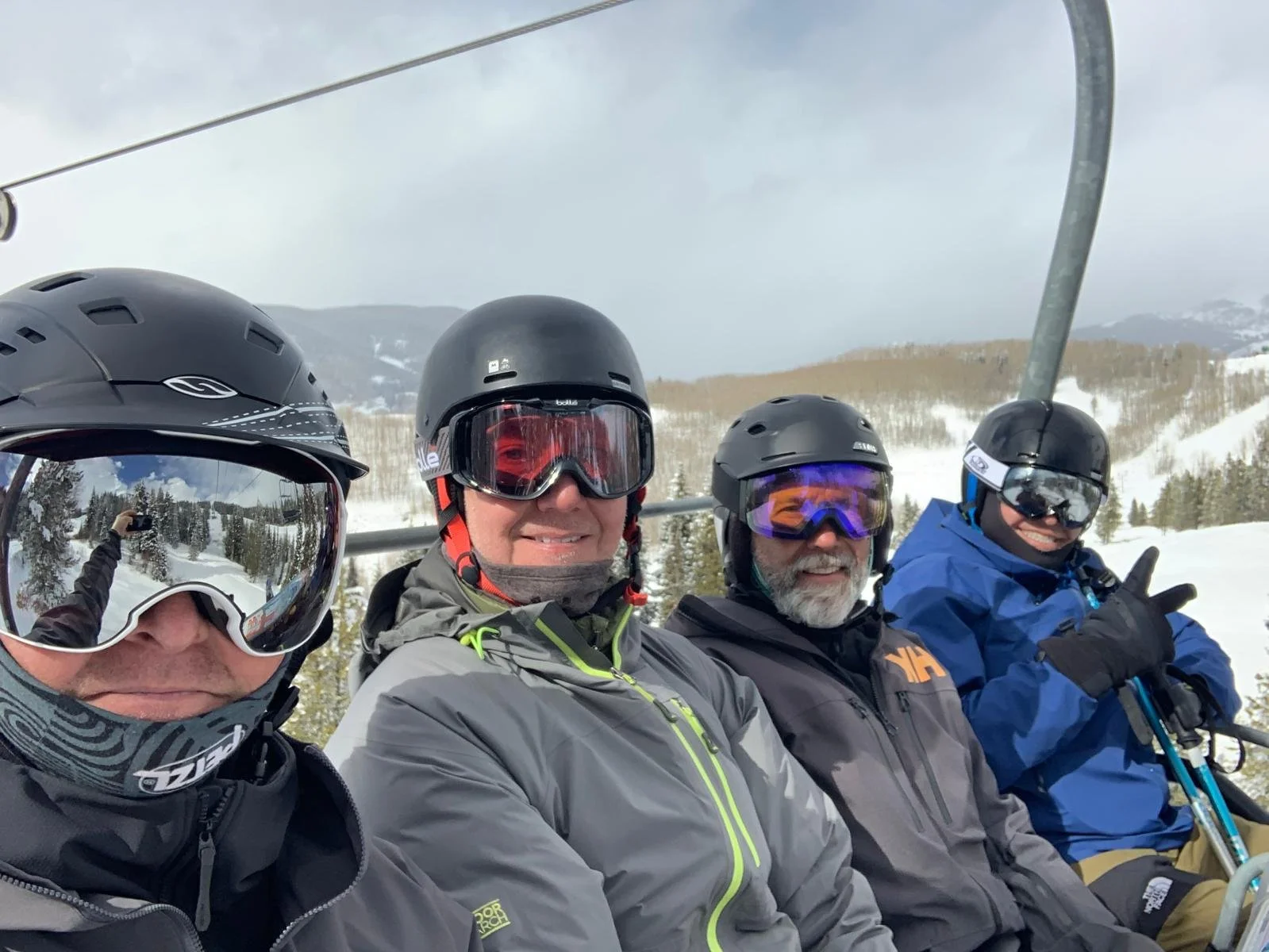
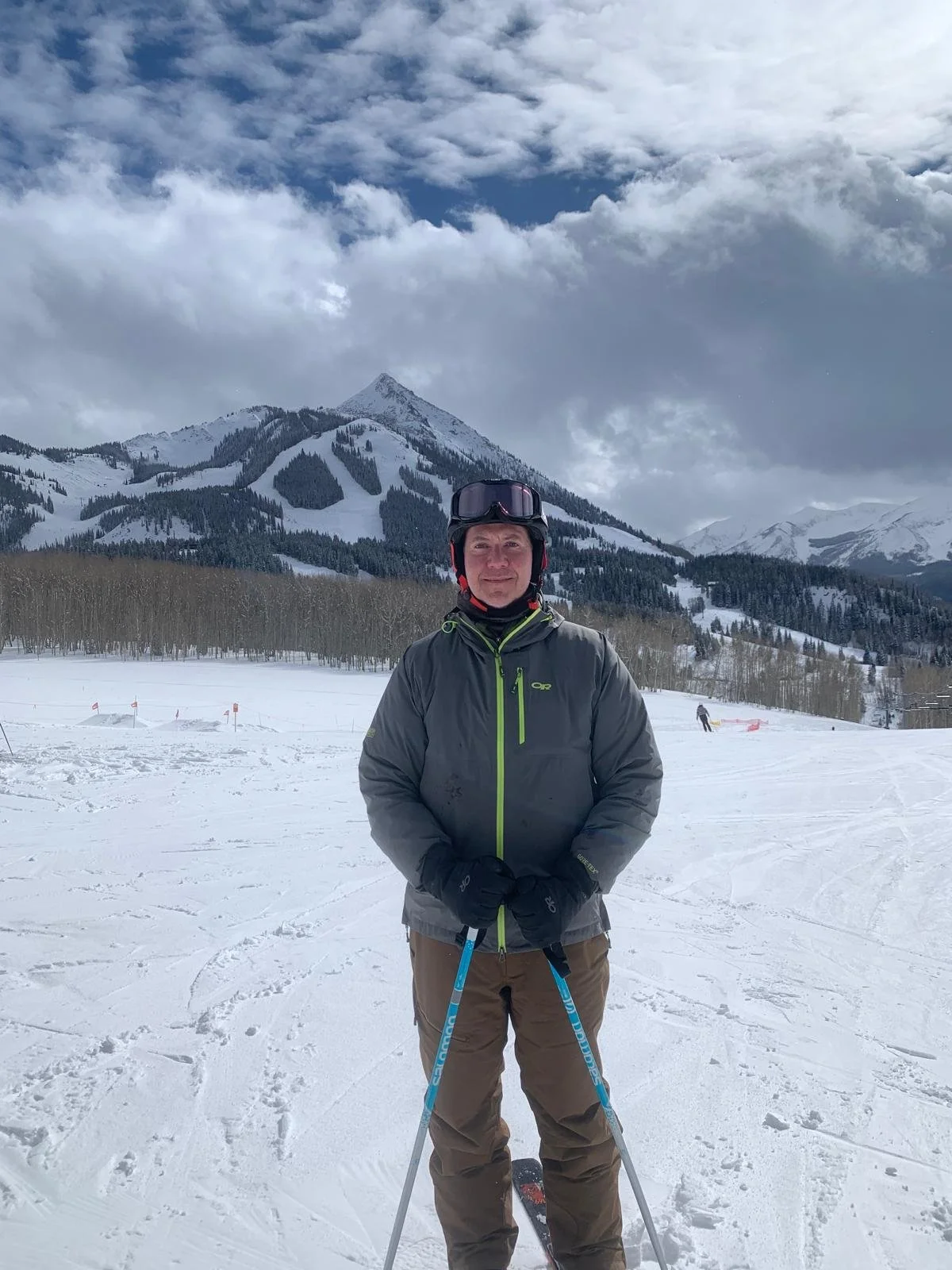
He Realized He Wasn’t Alone.
Chris Kerkstra | Loudoun County Fire and Rescue
When Chris tells the story of the explosion, he tells it the way firefighters often do.
Chronologically.
Operationally.
Without embellishment.
Where he was standing.
What failed.
How long he was trapped.
How much air he had left.
Facts. Sequence. Outcome.
On February 16, 2024, Chris Kerkstra was operating at the Silver Ridge Drive home explosion in Loudoun County — the same incident that injured fellow Firefighter Burn Survivor Week participant, Brian Diamond.
Chris and Brian were in the basement of a home that had been filling with propane gas for hours. They had just removed a trapped occupant and were opening windows when the house exploded.
The structure collapsed into the basement.
Both men were burned and buried beneath the debris.
Outside, firefighters were thrown by the blast. One firefighter was killed instantly. Others were seriously injured. There were no additional crews on scene yet. The house had become a fireball.
Chris was buried beneath what used to be the kitchen — heavy appliances and debris on top of him.
He wasn’t pinned.
He had been standing next to a steel basement column when the blast happened. The column folded — but it held just enough to create a small void space.
And he was in it.
He masked up, went on air, and tried to communicate with rescuers. With years of technical rescue training, he understood exactly what it meant to be buried that deep.
He was trapped for approximately 45 minutes.
He breathed through an entire bottle of air.
When it ran out, he removed his gear and made one final attempt to move debris. He shifted what he could and created a small opening above him.
He squeezed through a narrow gap and army crawled forward about ten feet.
A rescue crew working in the basement saw him.
They grabbed him and pulled him out.
He walked out of the house on his own.
A helicopter transported him to MedStar Washington Hospital Center.
That’s how he tells it.
Measured. Steady.
But the part that doesn’t fit neatly into a timeline is everything that followed.
The Aftermath
Chris sustained approximately 5% burns, primarily to his face and hands. His turnout gear had protected the rest of his body.
He spent five days in the ICU and several more in a step-down unit before being discharged.
Six months later, he returned to full duty.
But recovery wasn’t linear.
After another six months back at work, he stepped away again — this time to process the weight of the incident and everything that followed. The investigative report. The memories. The emotional impact.
“I needed time,” he said simply.
He’s back at work now.
But like many survivors will tell you — healing doesn’t follow a calendar.
Why This Week Mattered
When Chris arrived in Crested Butte for Firefighter Burn Survivor Week, he didn’t know exactly what to expect.
He knew the Foundation did good work. He had heard strong things from other firefighters. But he hadn’t experienced it himself.
He was excited to come.
What he found wasn’t just time on the mountain or adaptive challenges.
It was connection.
“The best thing I got out of this,” he said, “was meeting guys from all over the country and hearing their stories — and knowing I’m not the only one going through this stuff.”
For someone who relays his own story in precise, operational detail, there was something powerful about being around men who didn’t need the full report — or any explanation at all.
They understood the trauma.
The return to work.
The looks.
The questions.
The quiet battles.
No explanations required.
“I think it’s important to know you’re not alone,” Chris said. “You’re not the only one who’s been through it.”
When asked if he was glad he came, his answer was immediate.
“Absolutely. One hundred percent.”
And if another firefighter is on the fence?
“I would go out of my way to convince them this is the right thing to do. If they’re on the fence, they can call me. I’ll talk them into it.”
He survived the collapse beneath the house.
This week reminded him he doesn’t have to survive the aftermath by himself.
Somewhere between the mountain and the fire pit, he realized he wasn’t alone.
This time, the room already understood.
That kind of belonging doesn’t happen by accident. Firefighter Burn Survivor Week exists because people choose to show up.
When a firefighter is injured, the recovery doesn’t end at the hospital doors. It continues in places like Crested Butte — where healing looks like challenge, connection, and community.
Help us make sure the next firefighter has a place to land.
The Foundation
Founded in 2004 by active and retired Washington, D.C. firefighters, the D.C. Firefighters Burn Foundation stands beside injured firefighters and burn survivors from the moment of injury through every phase of recovery.
Through direct support, peer connection, and transformative programs like Firefighter Burn Survivor Week, we help ensure no one walks this road alone.
